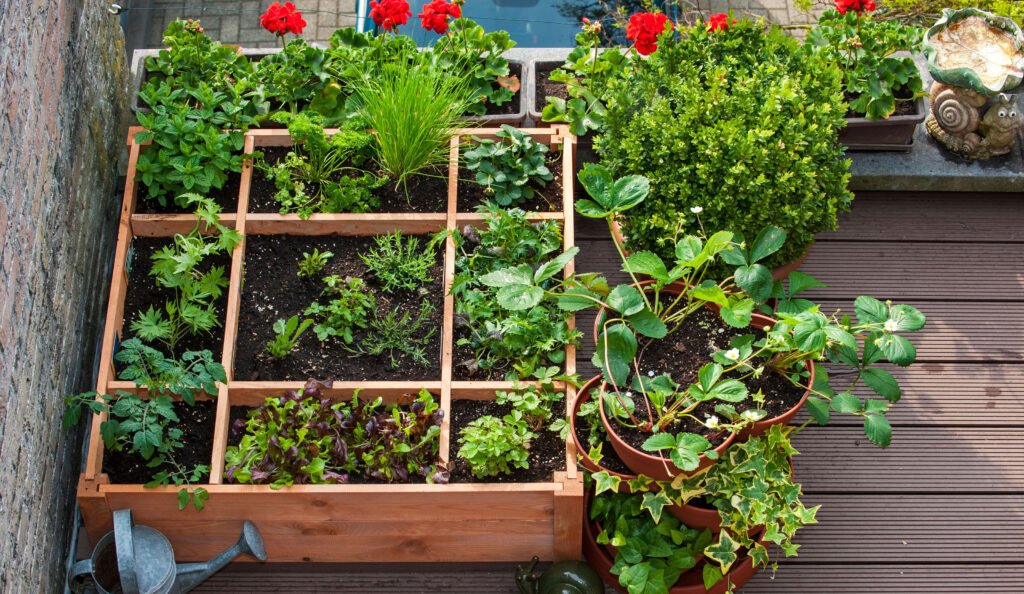
Starting a vegetable garden is a great way to grow fresh, healthy food while saving money and improving your lifestyle. Whether you have a large backyard, a small terrace, or even a balcony, vegetable gardening is possible for everyone. With proper planning and basic care, beginners can successfully grow their own vegetables at home.
Table of Contents
Choose the Right Location
The first step in starting a vegetable garden is selecting the right location. Most vegetables require at least 5–6 hours of direct sunlight each day. Choose a spot that receives consistent sunlight and has good air circulation. If you don’t have outdoor space, container gardening on a balcony or windowsill works well.
Easy vegetables for beginners – Video
Avengers Doomsday Trailer 2026 New leaked trailer
Prepare the Soil
Healthy soil is the foundation of a successful vegetable garden. Use loose, well-drained soil enriched with organic matter. Mix compost, cow dung manure, or vermicompost into the soil to improve fertility. Avoid compact soil, as it restricts root growth and reduces water absorption.
Decide What Vegetables to Grow
Beginners should start with easy-to-grow vegetables that require minimal maintenance. Popular choices include tomatoes, spinach, lettuce, carrots, radishes, chilies, beans, and cucumbers. Choose vegetables based on your local climate and the season. Growing what you enjoy eating will keep you motivated.
Seeds or Seedlings
You can grow vegetables using seeds or seedlings. Seeds are affordable and offer more variety, while seedlings save time and provide faster results. Follow the instructions on seed packets for proper spacing and planting depth to ensure healthy growth.
Watering and Care
Regular watering is essential, but overwatering can harm plants. Water your garden early in the morning or late in the evening to reduce evaporation. Keep the soil moist but not soggy. Mulching with dry leaves or straw helps retain moisture and prevents weed growth.
Pest and Weed Management
Pests and weeds are common challenges in vegetable gardening. Remove weeds regularly to prevent them from competing for nutrients. Use natural pest control methods such as neem oil, garlic spray, or soap water instead of chemical pesticides to keep your garden organic and safe.
Harvest and Enjoy
Harvest vegetables at the right time to enjoy the best flavor and nutrition. Regular harvesting encourages plants to produce more. Gardening also offers mental relaxation and a sense of accomplishment.
Final Tips
Start small, observe your plants daily, and learn from mistakes. Vegetable gardening is a rewarding journey that improves health, saves money, and connects you with nature.